
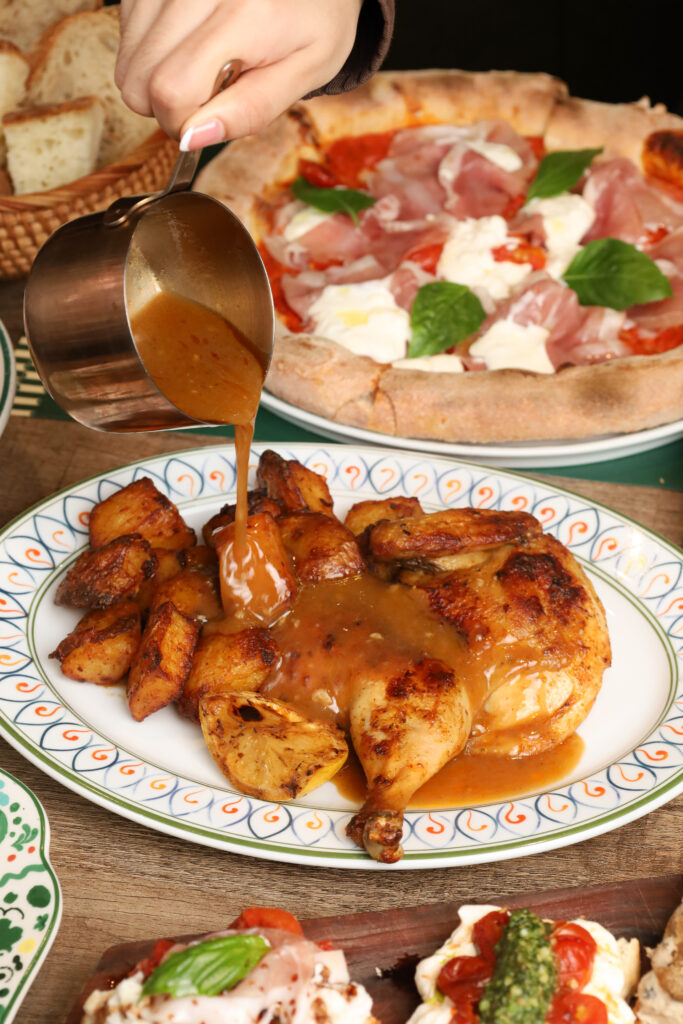
In Italian cooking, a dish is only as good as its foundation. That is why a proper Italian tomato sauce matters so much. Whether fresh, roasted, crushed or slow-simmered, the tomato sets the depth and character of the final plate. At Bianca, it is the base of many of our favourite pizzas and pastas.
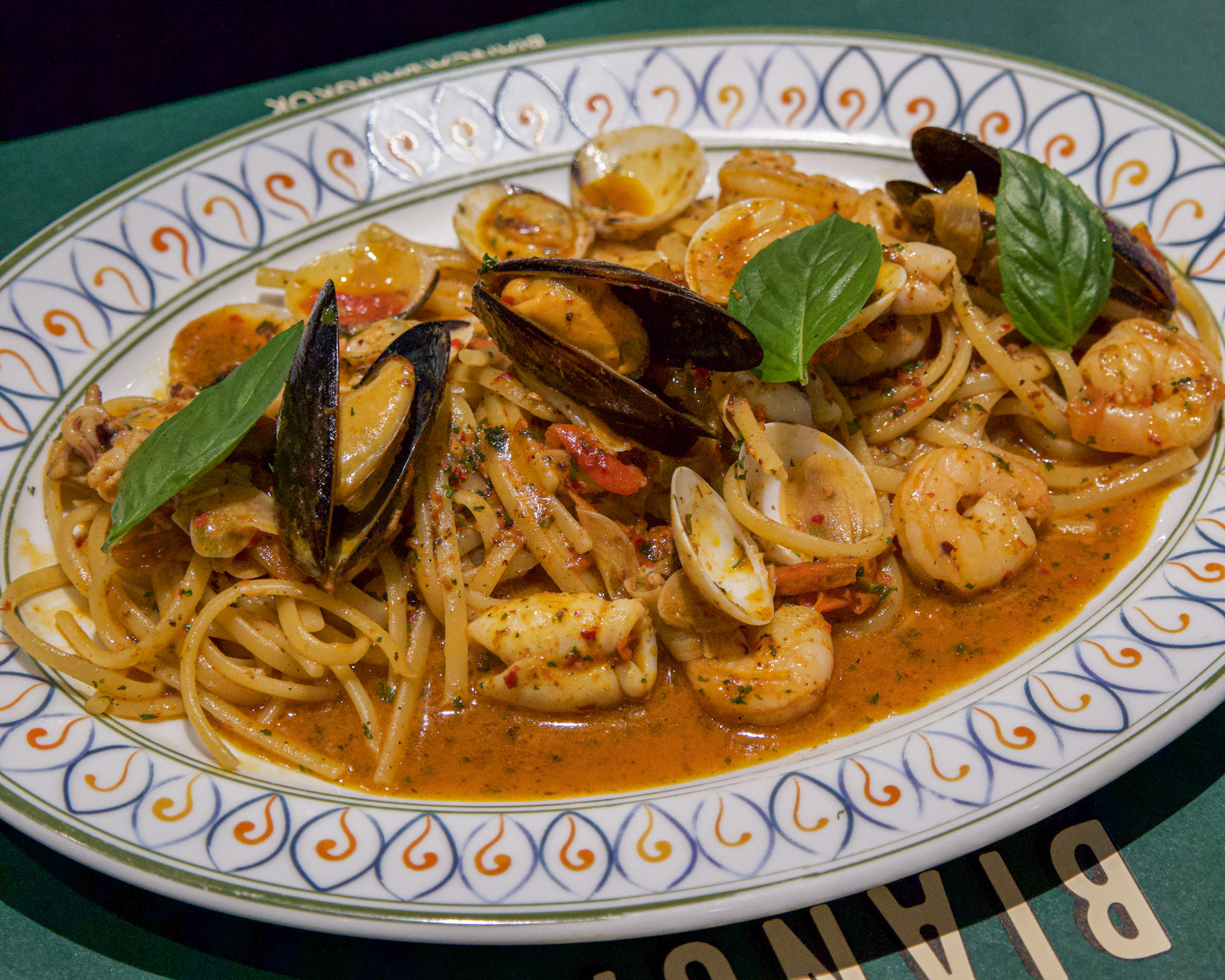
What makes a great Italian tomato sauce
Good sauce begins with very few ingredients. As a result, each one has to be excellent.
- Ripe tomatoes: picked at their peak, they bring natural sweetness and gentle acidity.
- Extra virgin olive oil: it carries the flavour and gives the sauce a silky finish.
- Garlic and basil: used lightly, so they support the tomato rather than hide it.
- Time: low heat lets the flavours marry slowly into a rich, velvety sauce.
In other words, patience is an ingredient too. Shortcuts simply cannot copy the depth of a sauce that cooks slowly. You can read more about the history of tomato sauce and how it spread across Italy.
Quick sauce vs slow sauce
Italian cooks use two main styles. First, a quick sauce cooks for a short time and keeps a bright, fresh taste. It suits pizza, seafood and light pastas. Second, a slow sauce simmers for hours, often with meat. It becomes deep, sweet and comforting.
Both have their place on our menu. For example, a Margherita needs a fresh, lively sauce. By contrast, a ragù needs time on the stove.
Italy’s classic tomato sauces
Italy has dozens of tomato sauces, but a handful appear on menus everywhere. Each one comes from a region and a style of cooking.
- Marinara: a fast Neapolitan sauce of tomato, garlic, olive oil and oregano or basil, with no meat or cheese.
- Pomodoro: a simple, smooth tomato sauce finished with basil, the everyday sauce of Italian home cooking.
- Arrabbiata: Rome’s “angry” sauce, made hot with dried chilli and garlic and classically served with penne.
- Puttanesca: a punchy Neapolitan sauce of tomato, olives, capers, garlic and often anchovy.
- Amatriciana: from Amatrice in Lazio, tomato cooked with guanciale and finished with pecorino.
- Ragù: tomato with slow-cooked meat. In Bologna it uses less tomato and a long, gentle simmer.
Choosing the right tomatoes
The tomato matters more than any other ingredient in the pan. Italian cooks mostly reach for three kinds.
- San Marzano: a long plum tomato from the volcanic soil around Mount Vesuvius, with thick flesh, few seeds and low acidity.
- Cherry and datterini tomatoes: small and sweet, so they are cooked quickly or slowly confited, like the tomato confit on several Bianca dishes.
- Passata and peeled tomatoes: out of season, good tinned tomatoes often make a better sauce than pale fresh ones.
Four tips for better tomato sauce at home
- Warm the garlic gently in olive oil. If it browns, the sauce turns bitter.
- Crush whole peeled tomatoes by hand instead of buying chopped ones, which stay firmer.
- Season at the end and taste. A pinch of salt balances acidity better than sugar.
- Finish the pasta in the pan with a splash of its cooking water, so the sauce clings to every piece.
Taste our Italian tomato sauce at Bianca
These dishes show off tomato at its best:
- Margherita pizza (฿390): tomato sauce, mozzarella, basil, Parmesan and olive oil. See all our pizzas in Bangkok.
- Ragù alla Bolognese (฿460): fresh pappardelle with slow-cooked beef and pork ragù and tomato sauce. Explore our fresh pasta.
- Classic Tomato & Burrata (฿460): fusilli in a special tomato sauce with creamy stracciatella.
- Bianca’s Lasagna: fresh sheets layered with Bolognese, ricotta, Parmesan, tomato sauce and basil.
Want to know why each sauce meets a certain pasta shape? Then read our guide to pasta and sauce pairing. Afterwards, finish your meal with our signature tiramisu.
Where to eat at Bianca
Bianca has five restaurants in Bangkok: ICONSIAM, Siam Paragon, One Bangkok, Emsphere and Terminal 21 Asok. All are open daily from 10am to 10pm. Also, every location sits in a major mall with easy BTS or MRT access. See the full Bianca menu before you visit.
Italian tomato sauce FAQ
Marinara is a quick tomato sauce without meat. Ragù is a slow-cooked sauce, usually with meat, such as Bianca’s Ragù alla Bolognese.
Favourites include the Margherita pizza, Ragù alla Bolognese, Classic Tomato & Burrata and Bianca’s Lasagna.
At ICONSIAM, Siam Paragon, One Bangkok, Emsphere and Terminal 21 Asok, open daily from 10am to 10pm.
Visit Bianca in Bangkok
Pick your nearest Bianca for opening hours, directions and the menu, or book your table online. Open daily 10am–10pm.